Robot data from the real world.
04s64 collects egocentric, UMI and teleoperation data in the wild: real homes, restaurants, hotels, shops and warehouses across Southeast Asia, for teams building robot foundation models.
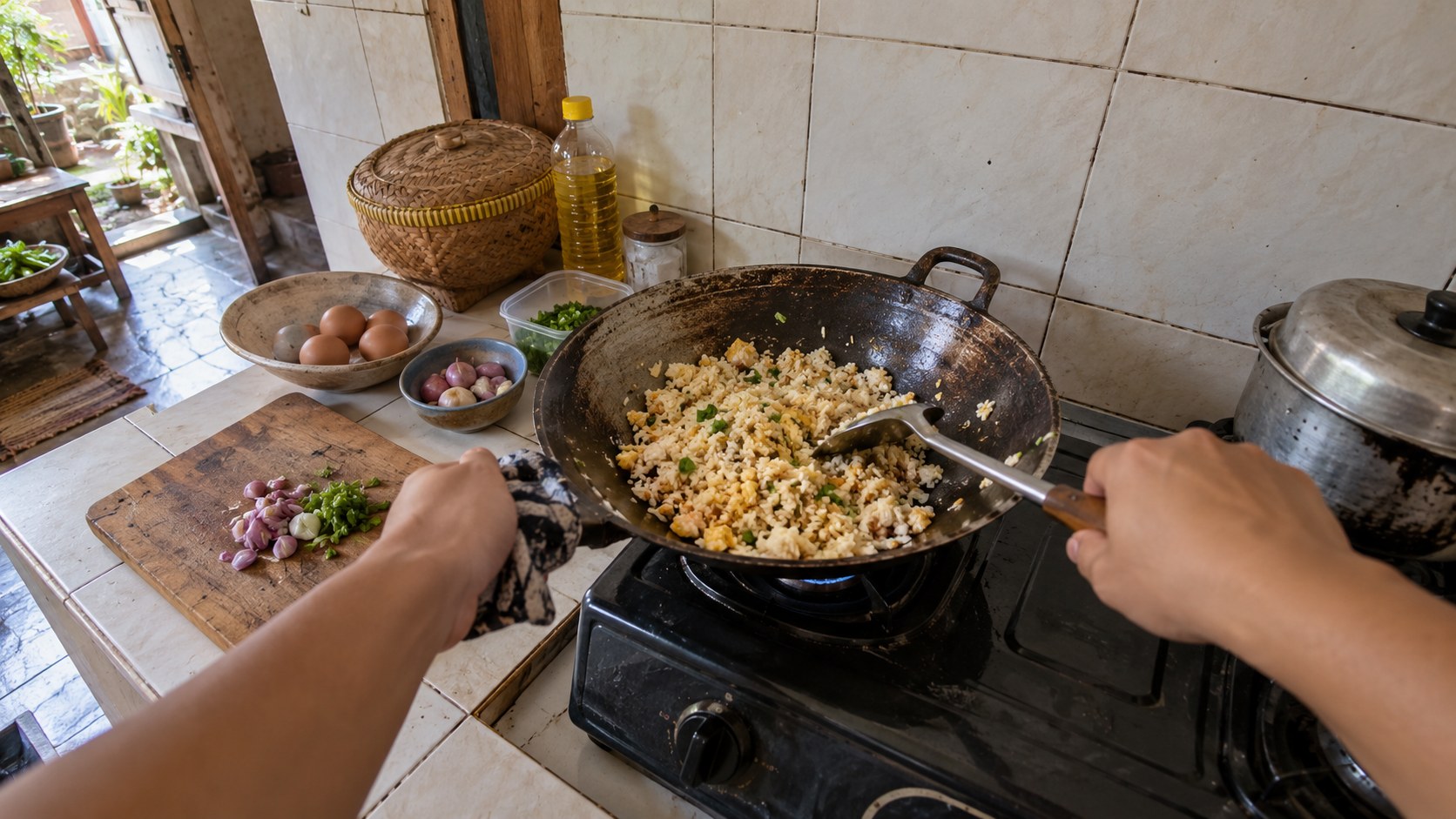
Subtasks14
AI-generated illustrative still. Viewer annotations are examples, not measurements from this image.
Three ways to collect.
Run one modality, or record the same tasks across all three so human video, gripper demonstrations and robot trajectories line up.
People doing real tasks, from their point of view.
Collectors wear head-mounted cameras while they cook, clean, restock and repair in their own homes and workplaces.
- CameraHead-mounted, 4K, 30 or 60 fps
- SensorsIMU 200 Hz, audio, optional depth
- LabelsSubtasks, hand pose, narration
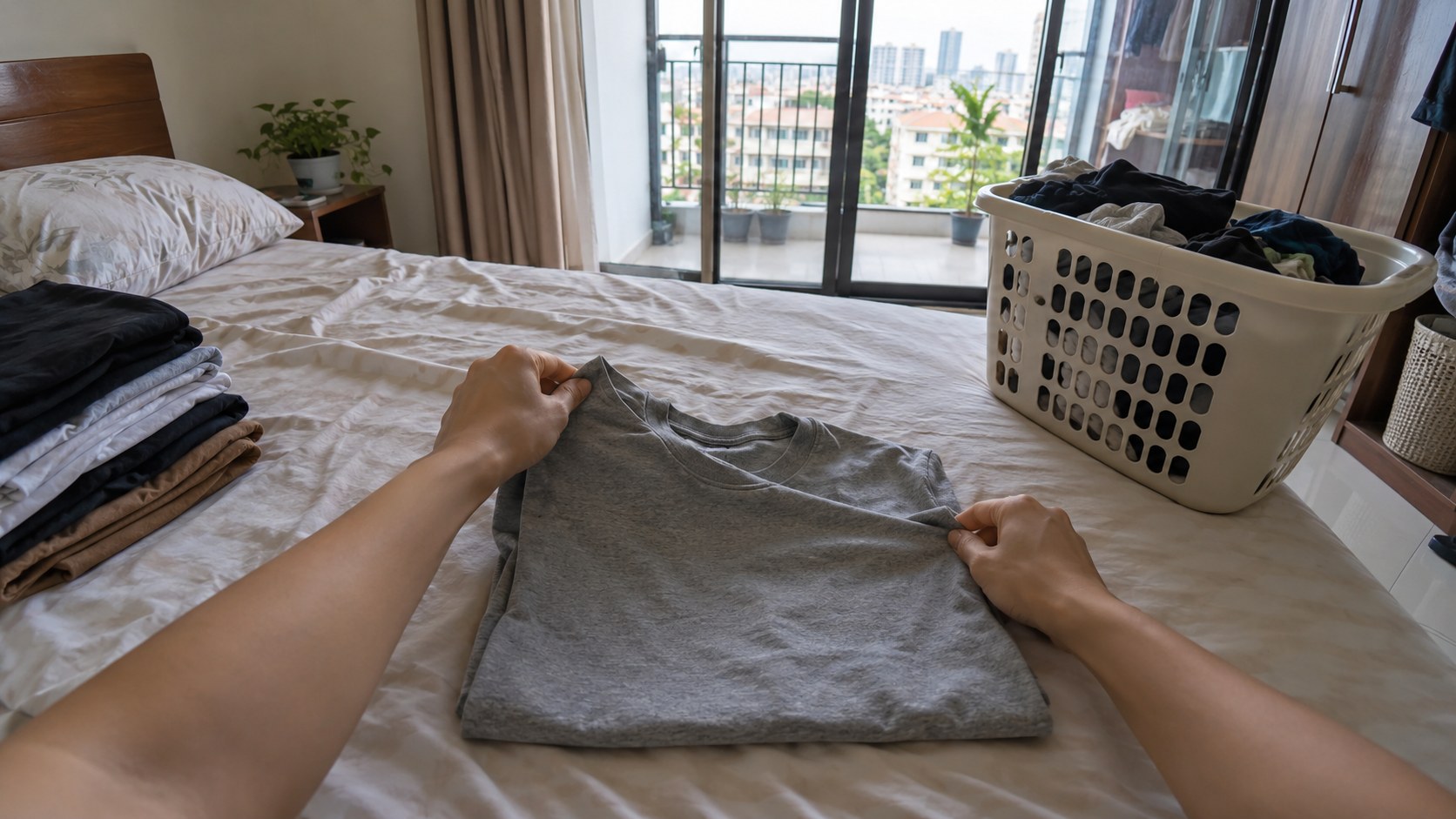
AI-generated illustrative still.
Robot-ready actions, recorded by hand.
Handheld UMI grippers capture end-effector pose and gripper width while people handle real objects in real places.
- CameraWrist fisheye, 60 fps
- Actions6-DoF pose, gripper width
- TrackingVisual-inertial SLAM
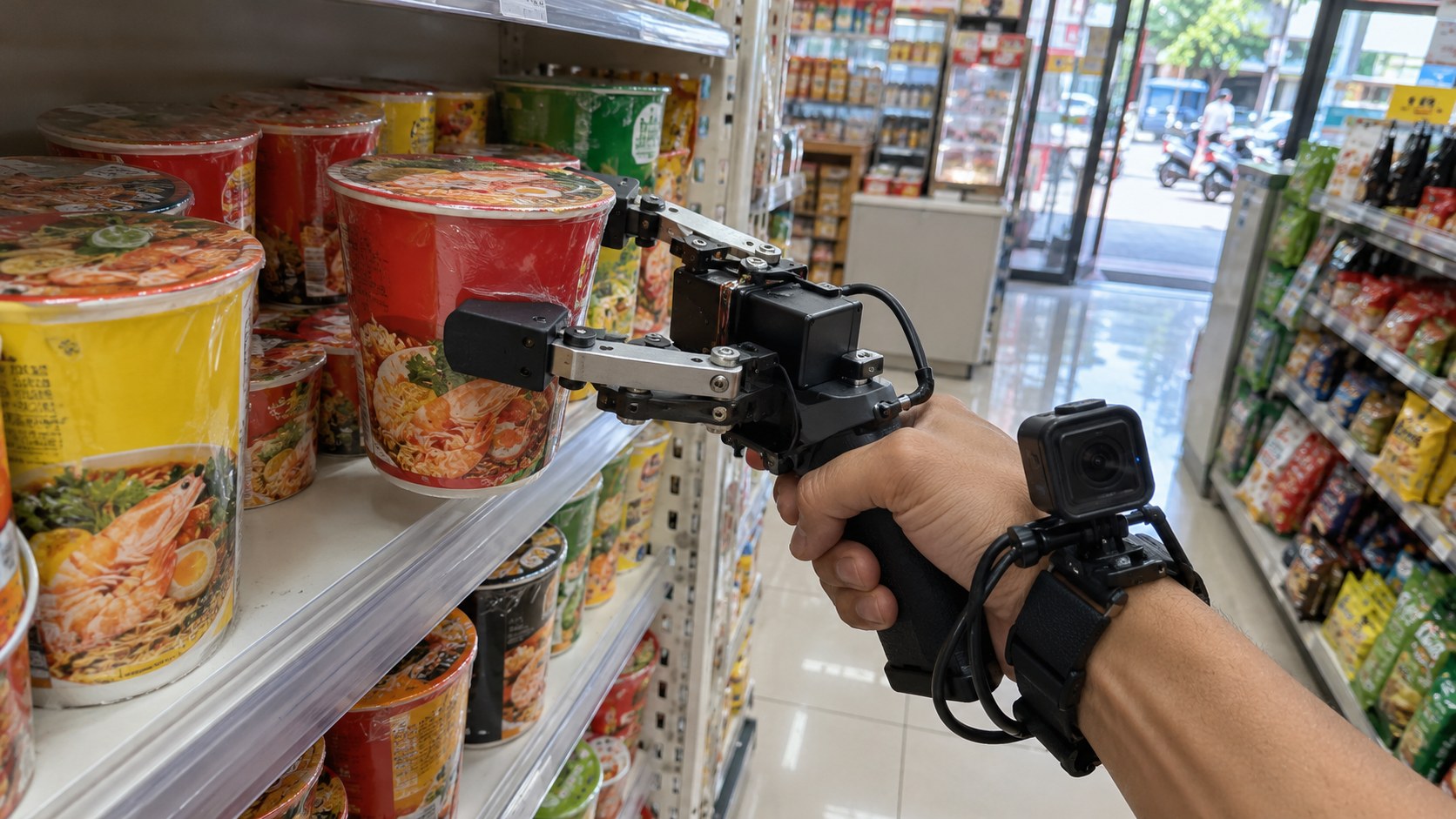
AI-generated illustrative still.
Trajectories on real hardware.
Trained operators run leader–follower arms through your task list, on our rigs or on hardware you ship to us.
- SignalsJoint states, 50–200 Hz
- Cameras2 wrist, 2 scene, synced
- PlatformsBimanual tabletop, mobile base
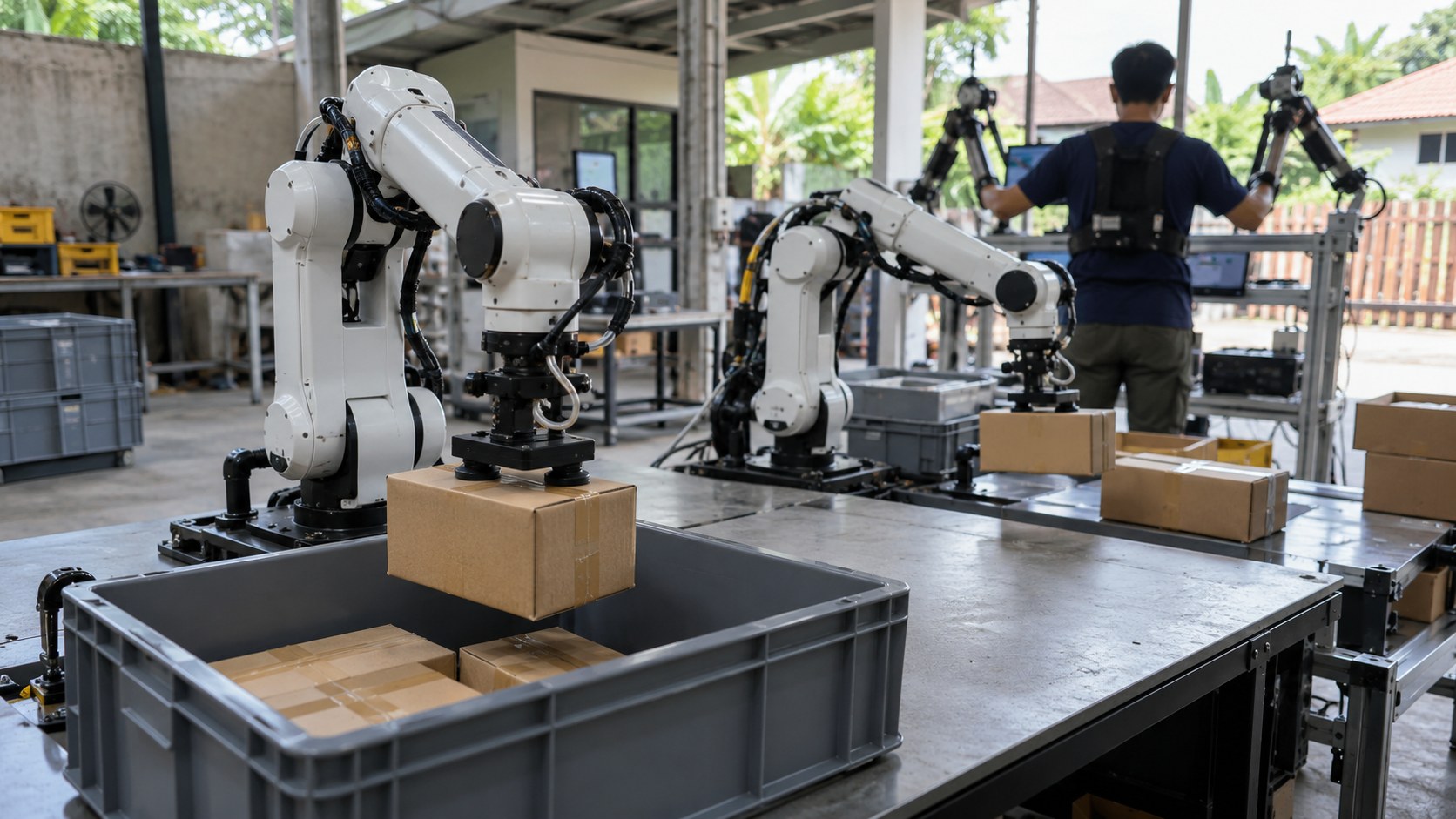
AI-generated illustrative still.
Whole tasks, not short clips.
We record tasks from start to finish, often five minutes or longer, then label every step. Your model sees how a plan unfolds, including mistakes and recoveries.
Cook nasi goreng for two
Hover a step to see its label.
Why Southeast Asia.
Most robot data comes from a few labs. The places robots will work look nothing like them.
Real environments
Small kitchens, crowded markets and busy repair shops, with all the clutter that comes with them.
Different objects
Woks, rice cookers, banana leaves and tools that rarely appear in existing datasets.
Hard lighting
Strong sun, fluorescent night markets and dim back rooms.
Whole-body tasks
Walking, carrying, crouching and reaching across real rooms, not only tabletop work.
Speed at scale
A large trained collector network means pilots start in days and volume grows to thousands of hours a month.
Field data almost nobody else has.
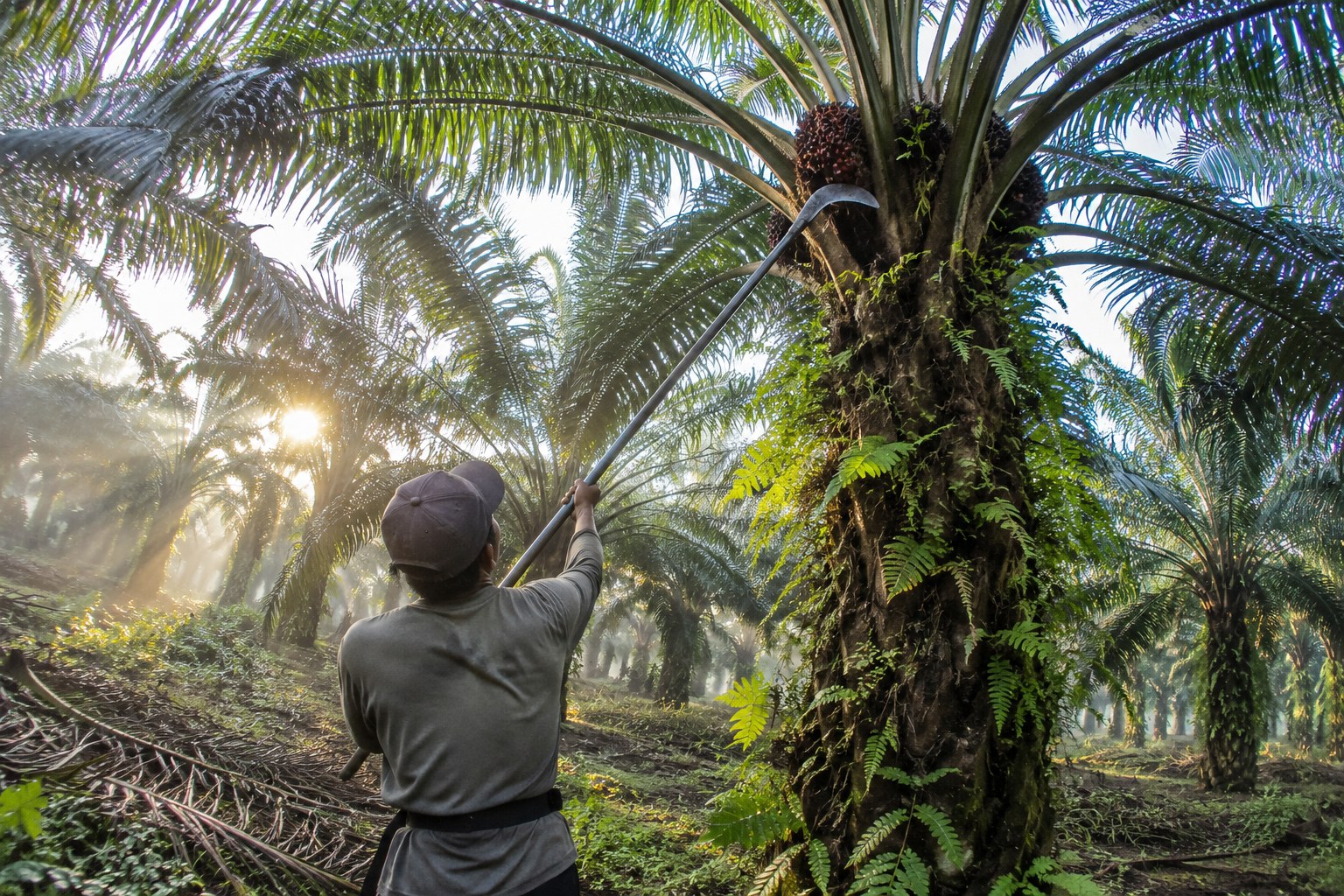
Our collectors include experienced plantation workers. We record oil palm harvesting, rubber tapping, pruning and nursery work on working estates, in mud, rain and dense canopy.
How a project runs.
Scope
Agree on tasks, environments, label schema and acceptance criteria.
Pilot
A small paid batch in your format to train on before you commit.
Capture
Collectors record across cities to your diversity targets.
Review
Automated checks, human review and annotation on every episode.
Deliver
Drops to your bucket in LeRobot, RLDS, HDF5 or MCAP.
Start with a two-week pilot.
Tell us what your robot needs to learn. We'll reply within two business days with a task list, timeline and price.
Capture, labels and delivery.
Every episode is synchronized, time-stamped and reviewed before it reaches you. Choose a modality, a label schema and a format, or bring your own.
How people actually do the task.
Head-mounted cameras record natural human behavior in homes and workplaces, at a scale teleoperation can't reach.
- Resolution3840×2160 or 2560×1440
- Frame rate30 or 60 fps
- Field of view~120° diagonal
- Other sensorsIMU 200 Hz, audio, optional depth
- Typical episode3–12 min
Actions your policy can learn from directly.
Handheld grippers with wrist cameras record end-effector pose and gripper width. The output maps to parallel-jaw robots.
- CameraFisheye, 60 fps
- Pose6-DoF via visual-inertial SLAM
- GripperWidth from fiducial markers
- CalibrationPer device, per session
- Typical episode1–6 min
Trajectories on real robots.
Certified operators run leader–follower rigs through your task list, on our rigs in Southeast Asia or on hardware you ship to us.
- SignalsJoint position, velocity, effort, 50–200 Hz
- Cameras2 wrist, 2 scene, synced
- PlatformsBimanual tabletop, mobile base
- OperatorsCertified per task family
- Typical episode30 s–5 min
Annotation.
Subtask segments
Start and end of each step, from task down to primitive action.
Language
Step descriptions in English. Other languages on request.
3D hand pose
21 keypoints per hand, per frame, with left and right identity.
Hand–object contact
Grasp, release and contact type for each manipulated object.
Object tracks
Boxes or masks with consistent IDs across the episode.
Success and recovery
Outcomes, failures and recovery attempts, time-stamped.
Quality scores
Blur, occlusion, framing and sync scores to filter at load time.
Your schema
We train annotators on your ontology and audit against your gold set.
Quality.
Automated sensor and sync checks, human review, then a sampled audit by a senior reviewer.
Target acceptance rate. Rejected episodes are re-recorded at no cost.
Bystander faces and screens are blurred. Every collector and household gives informed consent.
Six countries across Southeast Asia.
Collectors record where they live and work, so your data covers the climates, buildings and daily routines that lab data misses.
Where we collect
Egocentric, UMI and teleoperation data in each country, with collection sites added per project.
- MalaysiaOil palm and rubber estates, homes, restaurants
- IndonesiaPlantations, home kitchens, warungs, warehouses
- ThailandRubber and fruit farms, homes, shops
- VietnamHomes, repair shops, markets
- PhilippinesHomes, shops, fruit farms
- SingaporeLogistics and hospitality
Environments.
Language.
Every episode comes with English narration and English step labels.
Need Thai, Vietnamese, Indonesian, Malay, Tagalog or another language? We add local-language narration on request.
What our episodes look like.
Recent episodes across all three modalities. Open one to see its steps. Full-resolution samples are available under NDA.
We collect the data robots learn from.
Robot foundation models need what language models had: large amounts of real, varied data. We're building the network to collect it, starting in Southeast Asia.
Our story.
Today's robots learn from a handful of labs. The homes, kitchens, markets and workshops they will work in look nothing like those labs.
Southeast Asia has almost 700 million people, a huge variety of environments and a skilled workforce that is quick to train. We built a collection network that puts that to work for physical AI teams.
We run egocentric, UMI and teleoperation programs for teams training generalist policies, world models and vision-language-action models.
Team.



Advisors.

How we work.
Consent
Every collector and household opts in, knows how the data is used and can withdraw.
Fair pay
Collectors earn above local rates for skilled work, with bonuses for quality.
Privacy
Bystander faces, documents and screens are blurred before data leaves our pipeline.
Ownership
Custom collections belong to the customer who funds them, with clear IP terms.
Work with us.
We're talking with robotics teams and investors.
Robot data from Southeast Asia's plantations.
Harvesting, pruning and field work recorded by experienced plantation workers on working estates in Malaysia, Indonesia and Thailand. It's some of the hardest manipulation data to collect, and almost none of it exists in public datasets.
Tasks we record.
Whole work cycles, from walking to the palm to loading the bunch, labeled step by step.
Images below are AI-generated illustrations.
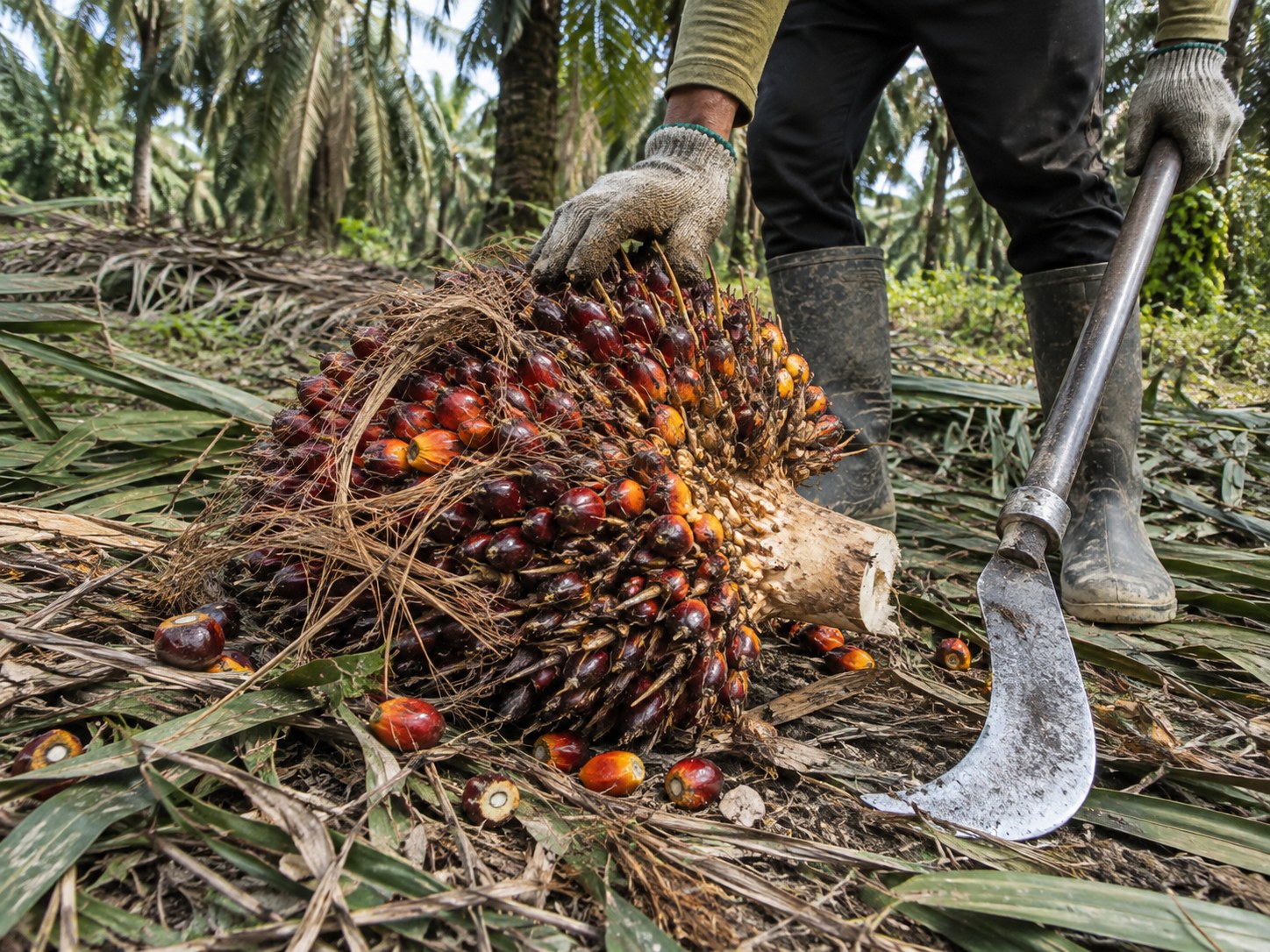
FFB harvesting
Spotting ripe fresh fruit bunches, cutting fronds and bunches with a pole sickle, and catching the fall.
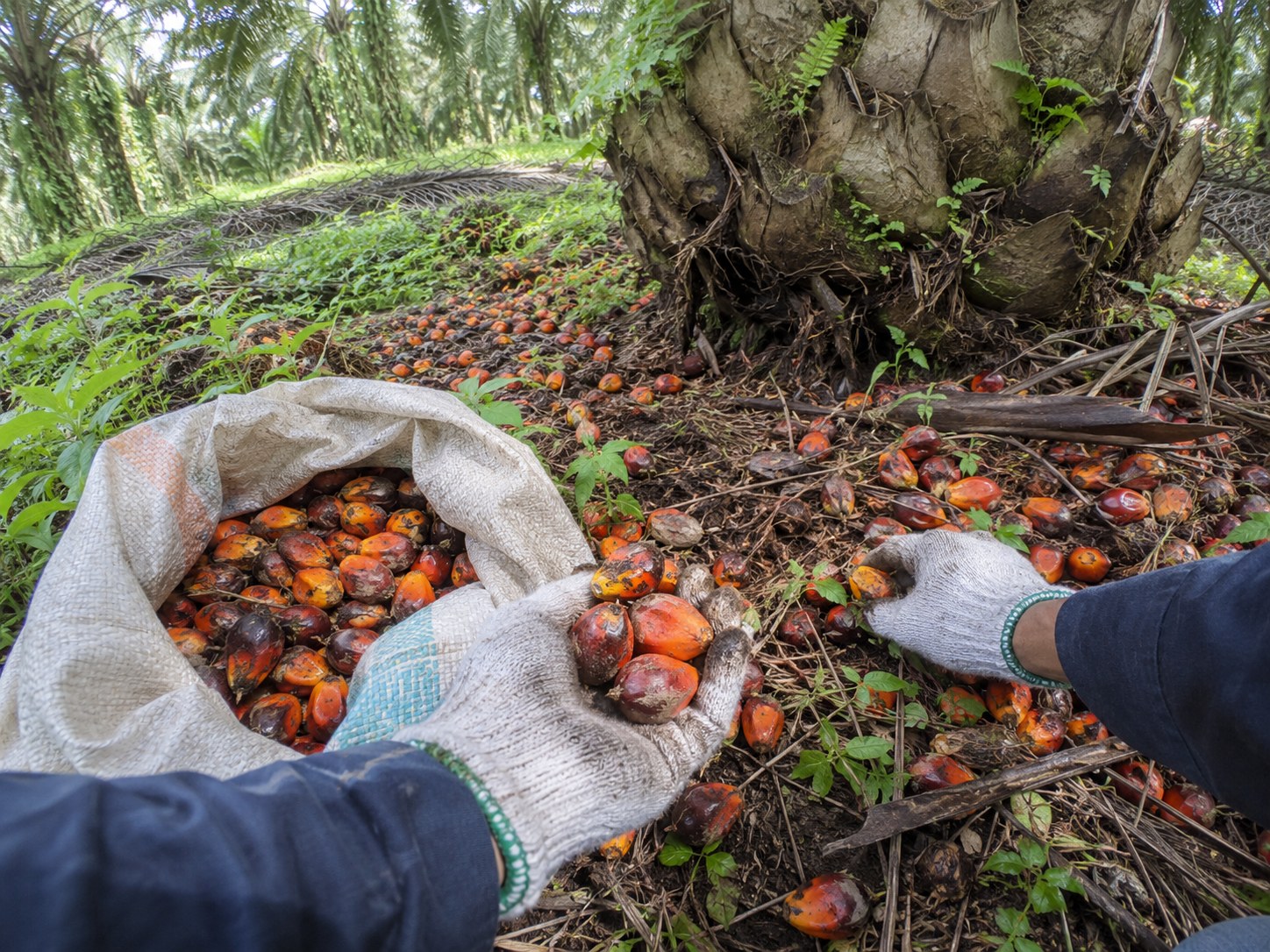
Loose fruit collection
Picking scattered fruitlets off the ground and from around the palm base.
Frond pruning and stacking
Cutting, carrying and stacking fronds between rows.
Bunch transport
Loading bunches into wheelbarrows and buffalo carts, and unloading them at collection points.
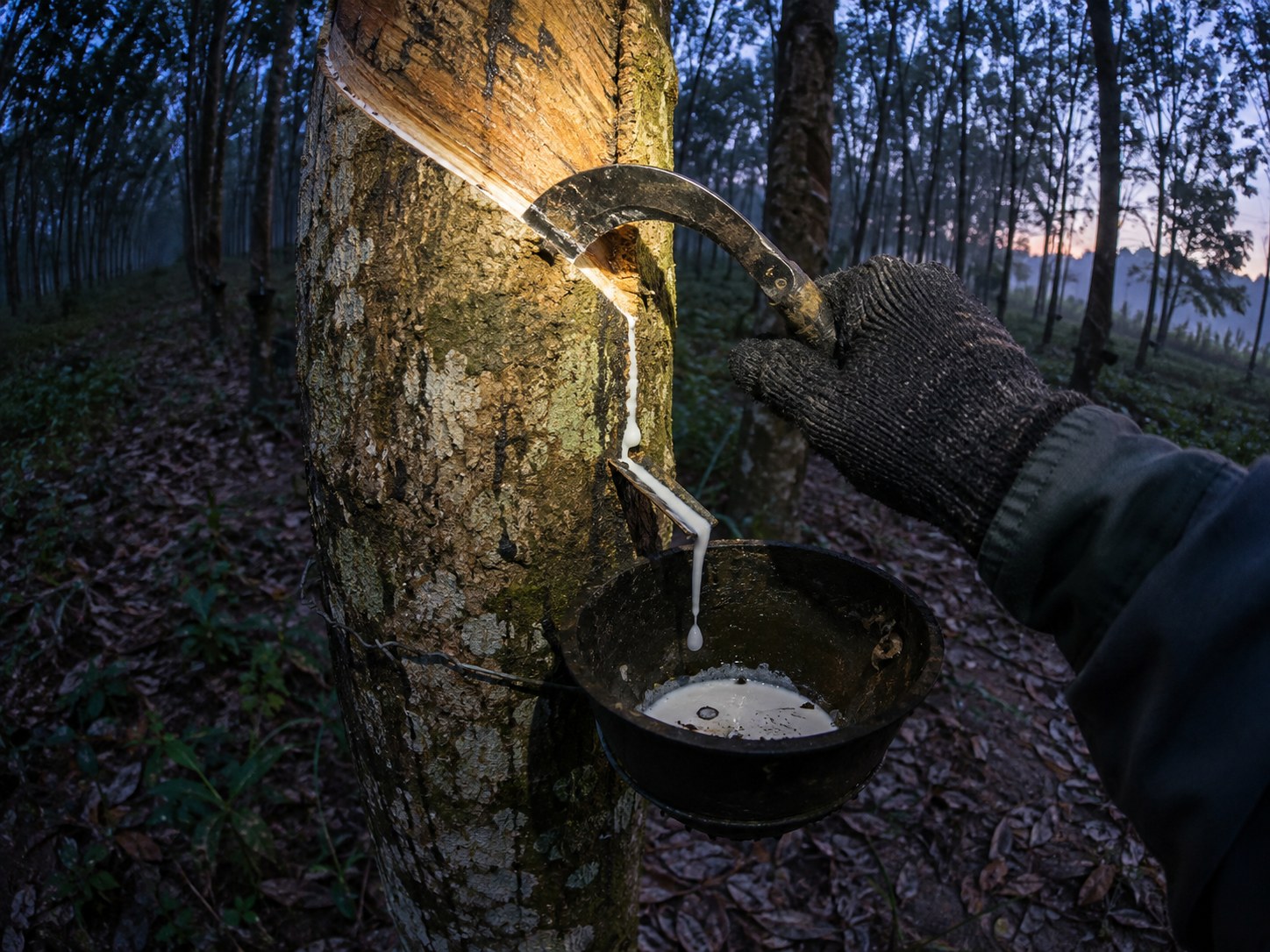
Rubber tapping
Cutting the tapping panel, placing cups and collecting latex before dawn.
Fertilizer and spraying
Measuring and spreading fertilizer, and handheld spraying along rows.
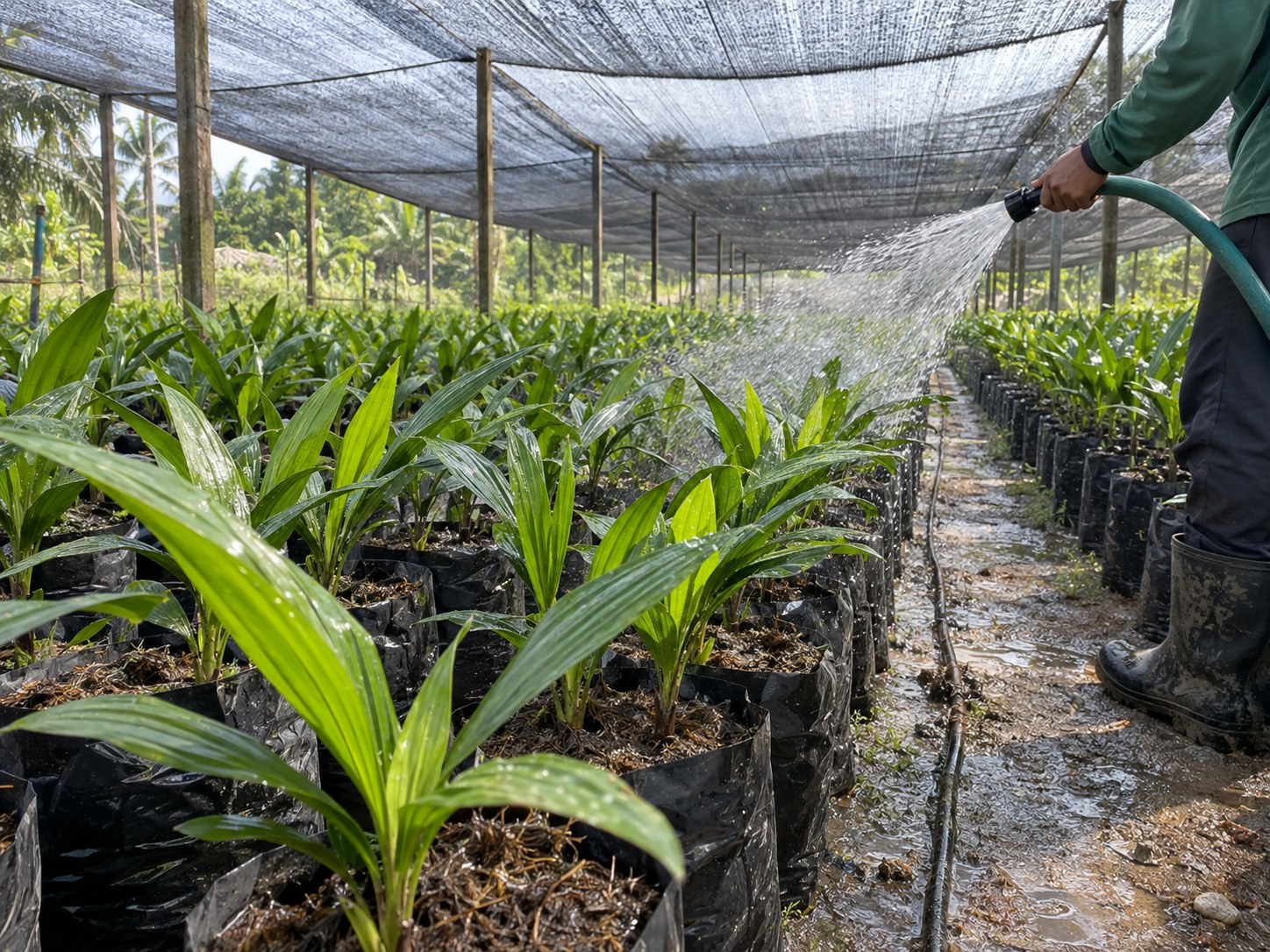
Nursery work
Handling seedlings in polybags: watering, culling and transplanting.
Fruit grading
Sorting bunches and fruit by ripeness and quality at the ramp or roadside.
Why this data is rare.
Field data is slow and expensive to collect without people who already work there. We work with estate teams directly.
Hard conditions
Dense canopy, harsh sun and shade, rain, mud and uneven ground.
Variable targets
Bunches differ in size, ripeness and position, and are often hidden by fronds.
Long reach and heavy loads
Cutting with 10-meter poles and carrying 20 kg bunches. The kind of whole-body work robots struggle with.
Useful labels
Ripeness grade, bunch count, cut success, GPS block and weather on every episode.
Built for.
Teams building oil palm, fruit and vegetable harvesting machines.
Estate groups and research agencies that are automating field work as labor gets scarce.
Generalist robot teams that need outdoor, unstructured scenes their data lacks.
Start a plantation pilot.
Tell us the crop, the task and your hardware. We'll plan a two-week pilot on a working estate.
Tell us what your robot needs to learn.
A few details help us plan a pilot. We'll reply within two business days.
Thanks, we have your brief.
We'll reply within two business days with a pilot plan.